Based on "Our Common Bond"

Free Australian Citizenship Test Study Guide

Everything you need to know for the Australian citizenship test. Covers all 4 sections: Australia and its people, democratic beliefs, government and the law, and Australian values.

4 parts, 24 sections100% free to read

Track and save your progress through the guide

Sign up for free to mark sections as complete and pick up where you left off.

Part 1: Australia and its people

1.1 Aboriginal and Torres Strait Islander peoples

Australia's first inhabitants are the Aboriginal and Torres Strait Islander peoples, who have the oldest continuous cultures and traditions in the world. Historically, Aboriginal people are from mainland Australia and Tasmania. The archaeological record indicates that Aboriginal peoples arrived in Australia between 65,000 and 40,000 years ago; however, the Aboriginal peoples believe they are central to the creation stories of this land, and their creation stories commence with the beginning of time. Torres Strait Islander people are from islands between the northern tip of Queensland and Papua New Guinea.

Aboriginal and Torres Strait Islander peoples have age-old beliefs and traditions that still guide them today. They have a deep connection with the land, which is expressed in their stories, art and dance. Indigenous cultures are diverse and an important part of Australia's national identity.

1.2 Early days of European settlement

European settlement started when the first 11 convict ships, which became known as the 'First Fleet', arrived from Great Britain on 26 January 1788.

At this time British laws were harsh and the jails could not hold the large number of people imprisoned for their crimes. To manage this problem, the British Government decided to transport convicts to the other side of the world: to the new colony of New South Wales.

The first Governor of the colony of New South Wales was Captain Arthur Phillip. The colony survived, and as more convicts and free settlers arrived, it grew and developed. More colonies were established in other parts of Australia.

Early free settlers came from Great Britain and Ireland. This British and Irish heritage has had a major influence on Australia's recent history, culture and politics.

In 1851, a 'gold rush' began when gold was discovered in the colonies of New South Wales and Victoria. In 10 years, Australia's population more than doubled.

1.3 The nation of Australia

In 1901, the separate colonies were united into a federation of states called the Commonwealth of Australia. It was at this time that our national democratic institutions, including our national parliament, government and the High Court were established under the new Australian Constitution.

In 1901, Australia's population was about four million. This number did not include Aboriginal and Torres Strait Islander peoples, as it was not until after a Referendum in 1967 that they were included in official estimates of the Australian population.

Throughout the first half of the 20th century, migration levels rose and fell. There were programs to actively encourage British migrants to settle here, and many did.

A wave of non-British migration came after World War II, when millions of people in Europe had to leave their homelands. Large numbers of Europeans came to Australia to build a new life.

In recent years, our migration and refugee programs have brought people to Australia from all over the world. People have come here to join family, to make a new life, or to escape poverty, war or persecution.

The diversity of Australia's population has increased over the last two centuries. This diverse and prosperous society enhances Australia's connection to the world. While we celebrate the diversity of Australia's people, we also aim to build a cohesive and unified nation.

Australia's national language is English. It is part of our national identity. In keeping with Australian values, migrants should learn and use English to help them participate in Australian society. Communicating in English is important for making the most of living and working in Australia.

Other languages are also valued, including more than 100 distinct Aboriginal and Torres Strait Islander languages.

1.4 Australia's states and territories

The Commonwealth of Australia is a federation of states and territories. There are six states and two mainland territories. Canberra is Australia's capital city, and each state and mainland territory has its own capital.

Australia's States

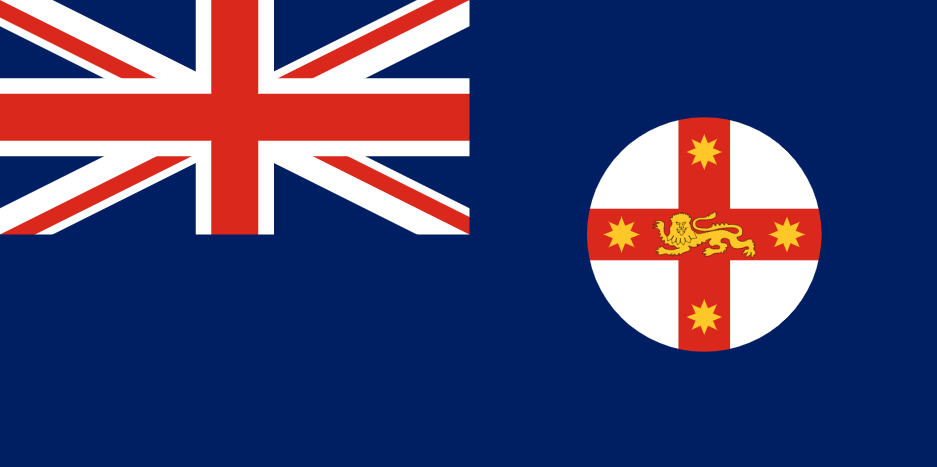
Flag of New South Wales
New South Wales

New South Wales was the first colony established by the British. Sydney is the capital city of New South Wales and is the nation's largest city. The Sydney Harbour Bridge and Opera House are national icons.

Flag of Victoria
Victoria

Victoria is the smallest of the mainland states. Victoria's capital city is Melbourne. Many fine buildings in Victoria were built from the wealth created by the gold rush of the 1850s. Victoria's icons include the Melbourne Cricket Ground, the 12 Apostles, and the Royal Exhibition Building.

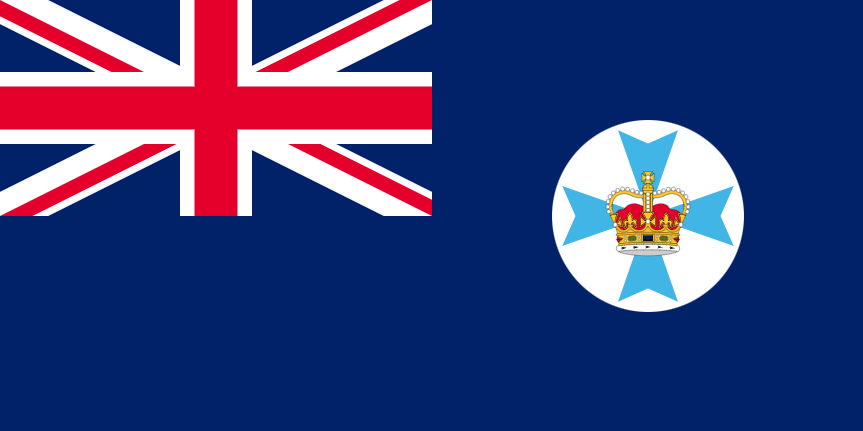
Flag of Queensland
Queensland

Queensland is the second largest state. Queensland's capital city is Brisbane. The Torres Strait Islands lie to the north of the state and the world-famous Great Barrier Reef runs along its eastern coast. Queensland has tropical rainforests, temperate coastal areas and an often dry inland.

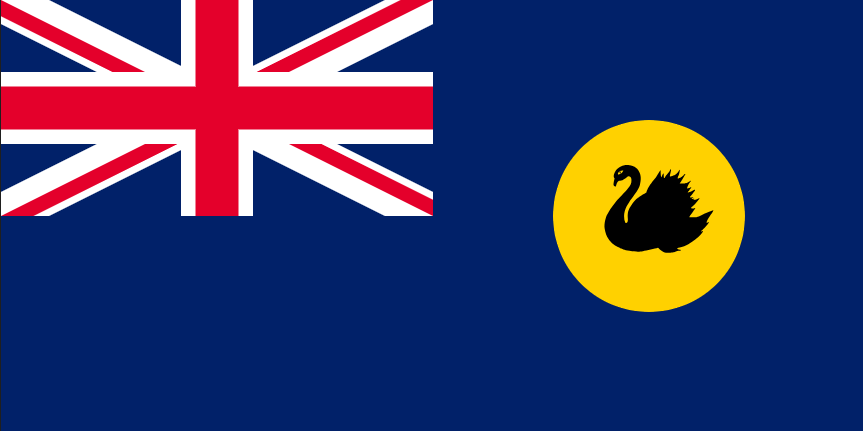
Flag of Western Australia
Western Australia

Western Australia is the largest state. Perth is the capital city of Western Australia. The east of the state is mostly desert, while the south-west is a rich agricultural and wine-growing area. The state is home to many large mining projects. Western Australia's icons include the Ningaloo Coast, Margaret River, and the Kimberley region.

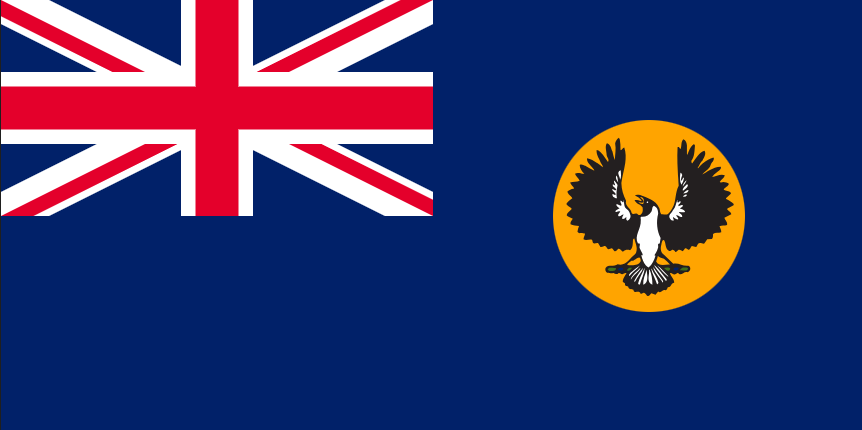
Flag of South Australia
South Australia

South Australia has a rugged coastline and many famous wine regions. Adelaide, the capital city, has many examples of fine colonial architecture. South Australia's icons include the Barossa Valley and the Flinders Ranges.

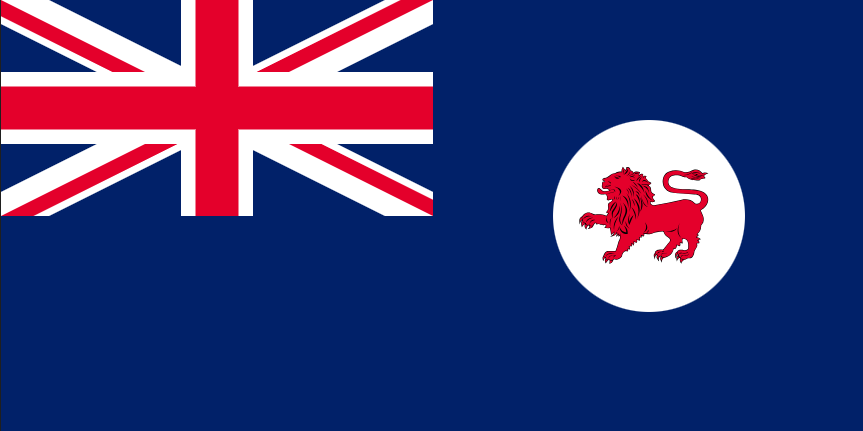
Flag of Tasmania
Tasmania

Tasmania is the smallest state, separated from the mainland by the Bass Strait. Tasmania's capital city is Hobart. Much of the island has unspoilt wilderness landscapes. Tasmanian icons include Cradle Mountain, Port Arthur, and the Bay of Fires.

Australia's Territories

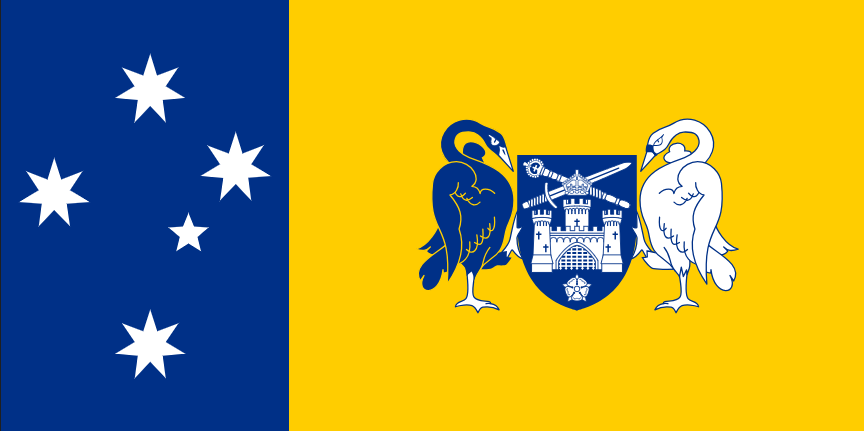
Flag of Australian Capital Territory
Australian Capital Territory

The Australian Capital Territory is located between Sydney and Melbourne. It is home to the nation's capital city, Canberra. Several national institutions are located in Canberra, including Parliament House and the High Court of Australia.

Flag of Northern Territory
Northern Territory

The Northern Territory has a tropical environment in the north of the state and dry red desert in the south. Darwin is the capital city. Northern Territory icons include Uluru, Kata Tjuta and Kings Canyon.

1.5 Traditions

Welcome to Country and Acknowledgement of Country protocols

A Welcome to Country is a cultural practice performed by an Aboriginal or Torres Strait Islander custodian of the local region, welcoming visitors to their traditional land. This was traditionally performed to ensure visitors had a safe and protected journey during their time on that land. A Welcome to Country can take place through many forms, including songs, dances, smoking ceremonies or speeches in traditional language or English. A Welcome to Country is usually the first item of proceedings to open an event.

An Acknowledgement of Country is an opportunity to recognise that the gathering is on Aboriginal or Torres Strait Islander land; pay respect to Traditional Custodians, particularly Elders past and present; and pay respect to Aboriginal and Torres Strait Islander peoples in attendance.

An Acknowledgement of Country is usually delivered as part of the Welcome and Housekeeping at meetings and events. Anyone can deliver an Acknowledgement of Country. At meetings/events, this would generally be done by the Chair or Master of Ceremonies.

These practices are performed to show respect for Aboriginal and Torres Strait Islander peoples.

1.6 Important Days for Australians

Australia Day

On 26 January each year, we celebrate Australia Day. Australia Day is a public holiday in every state and territory in Australia. It is the anniversary of the arrival of the First Fleet from Great Britain in 1788. On Australia Day, communities across Australia reflect on our history, and the people who have contributed to our shared achievements. It is the biggest annual public holiday in Australia. Australia Day is about acknowledging and celebrating the contribution that every Australian makes to our contemporary and dynamic nation: from our Aboriginal and Torres Strait Islander peoples—who have been here for approximately 65,000 years—to those who have lived here for generations, and those who have come from all corners of the globe to call our country home. Australia Day is marked by events across Australia, including special citizenship ceremonies. During Australia Day celebrations, the Prime Minister announces the Australian of the Year Awards in Canberra.

Anzac Day

Anzac Day is commemorated on 25 April each year. Anzac Day is named after the Australian and New Zealand Army Corps, which landed at Gallipoli in Türkiye during World War I on 25 April 1915. Anzac Day is a solemn day when we remember the sacrifice of all Australians who served and died in wars, conflicts and peacekeeping operations. We also honour the courage and commitment of all servicemen and women and reflect on the many different meanings of war.

1.7 Australia's Flags

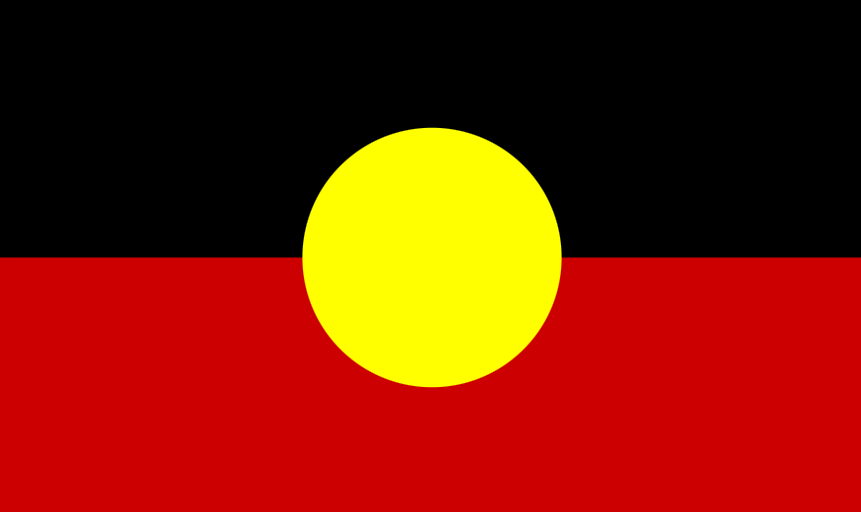
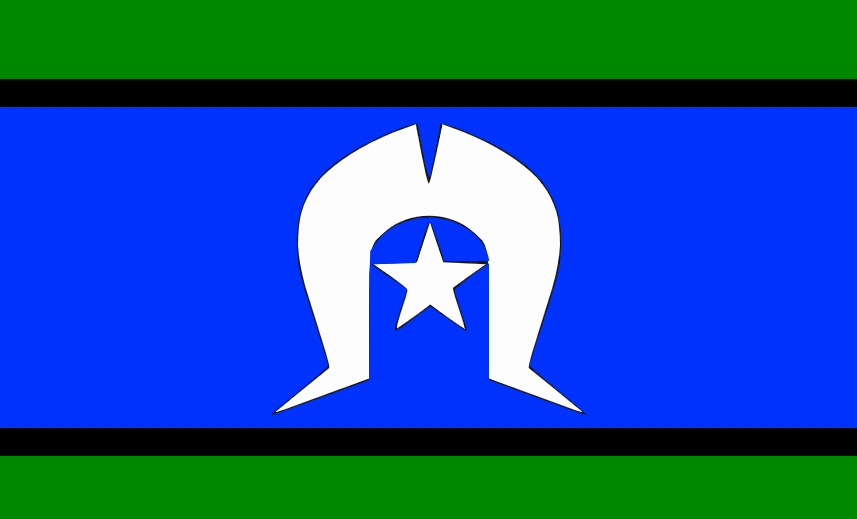
The Australian National Flag is the official flag of our nation. Other flags that are officially recognised and may be flown in the community include the Australian Aboriginal Flag and the Torres Strait Islander Flag.

The Australian National Flag

The Australian National Flag is blue, white and red. • The 'Union Jack', which is the flag of the United Kingdom is in the top left corner. It represents our history of British settlement and the laws and institutions we inherited as a result. • The Commonwealth Star is under the Union Jack. This star has seven points, each point representing one of the six states and one point for the territories. • The Southern Cross, on the right, is a group of stars that can be seen in the southern sky.

The Australian Aboriginal Flag

The Australian Aboriginal Flag is black, red and yellow. • The top half is black and represents the Aboriginal peoples of Australia. • The bottom half is red and represents the earth, which has ceremonial significance. • The yellow circle represents the sun.

The Torres Strait Islander Flag

The Torres Strait Islander Flag is green, blue, black and white. • The green stripes represent the land. • The blue panel in the centre represents the sea. • The black lines represent the Torres Strait Islander people. • The white dancer's headdress in the centre is a symbol for all Torres Strait Islanders. • The points of the white star represent the island groups in the Torres Strait, and the colour white symbolises peace.

1.8 Australia's symbols

Australia has several important symbols that represent our nation's identity.

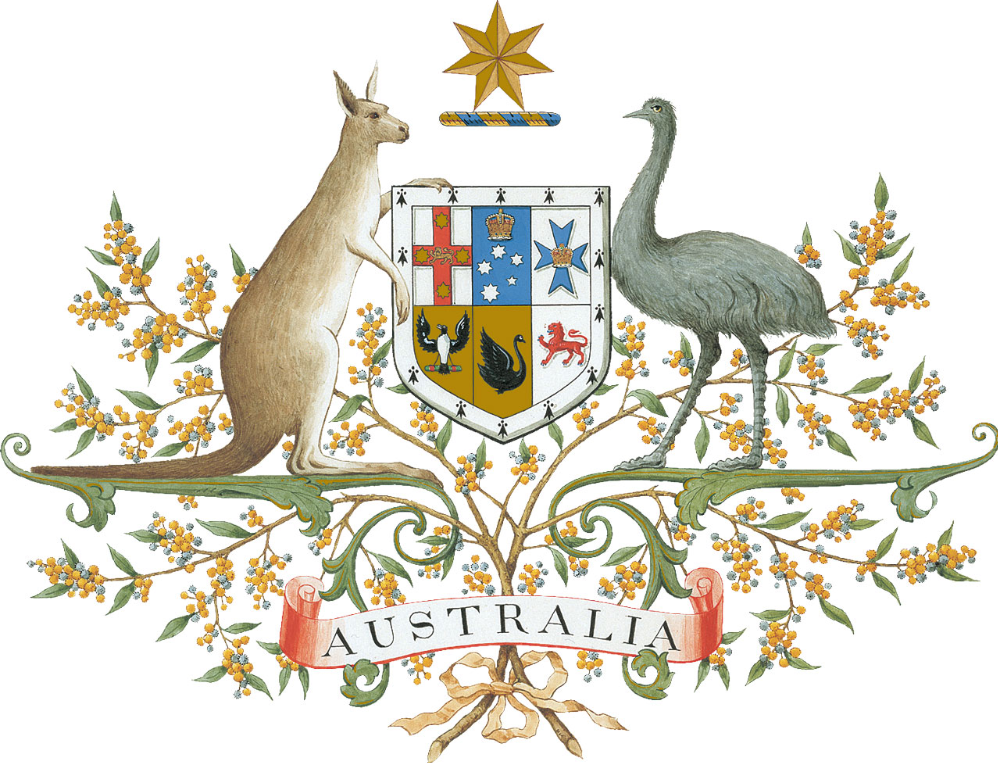
Commonwealth Coat of Arms

The Commonwealth Coat of Arms is the official symbol of the Commonwealth of Australia. It represents our national unity. It identifies the authority and property of the Commonwealth of Australia. The shield in the centre represents the six states and federation. A kangaroo and an emu support the shield on each side. Both are native Australian animals. A gold Commonwealth Star sits above the shield. The background is the golden wattle, Australia's national flower.

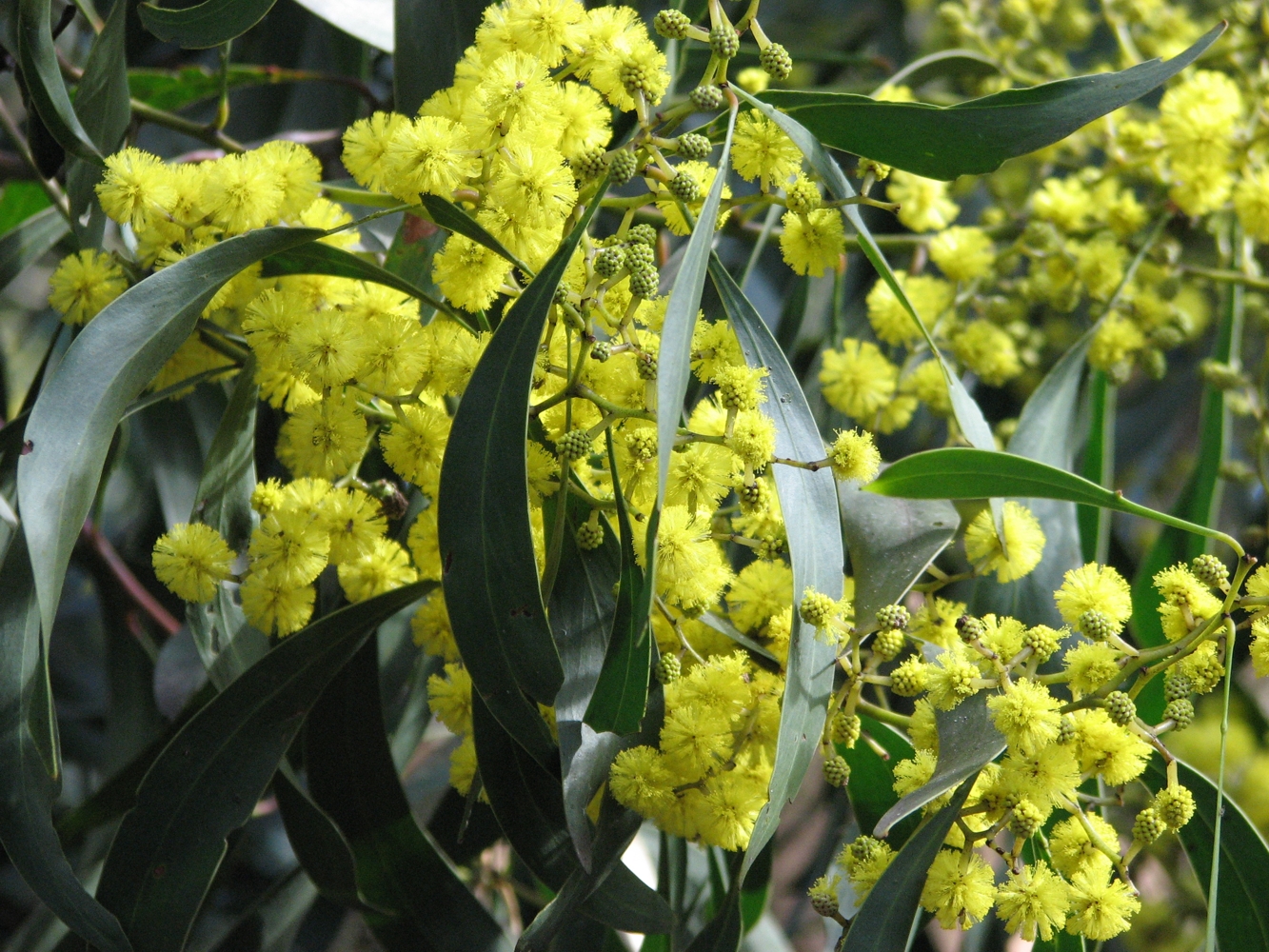
Australia's national flower

Australia's national flower is the golden wattle. This small tree grows mainly in south-eastern Australia. It has bright green leaves and many golden yellow flowers in spring. Each of the states and territories of Australia also has its own floral emblem.

Australia's national colours

Australia's national colours are green and gold—the colours of the golden wattle. The uniforms of our national sports teams are usually green and gold.

Australia's national gemstone

The opal is Australia's national gemstone. According to Aboriginal legend, a rainbow touched the earth and created the colours of the opal.

Australia's national anthem

Australians all let us rejoice,

For we are one and free;

We've golden soil and wealth for toil;

Our home is girt by sea;

Our land abounds in nature's gifts

Of beauty rich and rare;

In history's page, let every stage

Advance Australia Fair.

In joyful strains then let us sing,

Advance Australia Fair.

Beneath our radiant Southern Cross

We'll toil with hearts and hands;

To make this Commonwealth of ours

Renowned of all the lands;

For those who've come across the seas

We've boundless plains to share;

With courage let us all combine

To Advance Australia Fair.

In joyful strains then let us sing,

Test your knowledge of Australia and its people

Practice questions from this section to see how much you've retained.

Part 2: Australia's democratic beliefs, rights and liberties

2.1 Our democratic beliefs

Australia's system of government is a parliamentary democracy.

As part of this system, the power of the government comes from the Australian people because Australian citizens vote for people to represent them in parliament. The representatives in parliament must answer to the people, through elections, for the decisions they make.

The Rule of Law

All Australians are equal under the law. The Rule of Law means that no person, group or religious rule is above the law. Everyone, including people who hold positions of power in the Australian community, must obey Australia's laws. This includes government, community and religious leaders, as well as business people and the police.

Living peacefully

Australians are proud to live in a peaceful country with a stable system of government. Australians believe that change should occur through discussion, peaceful persuasion, and the democratic process. We reject violence as a way to change a person's mind or the law.

Respect for all individuals regardless of background

Australia's democratic system is based on the principle that every individual, regardless of their background, has rights and equality under Australian law. All Australians are expected to treat each other with dignity and respect, regardless of their race, country of origin, gender, sexual orientation, marital status, age, disability, heritage, culture, politics, wealth or religion.

2.2 Our freedoms

Freedom of speech and freedom of expression

Freedom of speech is a core Australian value and underpins our democratic system. Freedom of speech means people can say and write what they think, and discuss their ideas with others. For example, people can criticise the government, protest peacefully against government decisions and campaign to change laws, so long as at all times they are still obeying Australian laws. Freedom of expression means people can express their views, including through art, film, music and literature. People are free to meet in public or private places for social or political discussion. At all times, even while engaging in freedom of speech and freedom of expression, the laws of Australia must be obeyed. We must also respect other people's freedom of speech and freedom of expression.

Freedom of association

Freedom of association is the right to form and join associations to pursue common goals. For example, in Australia people are free to join any legal organisation, such as a political party, trade union, religious, cultural or social group. People can also decide not to join, and cannot be forced into doing so.

Australians can gather with others to protest against a government action or an organisation. At all times, however, the laws of Australia must be obeyed. This means that such gatherings must be peaceful, and must not injure any person or damage property.

Freedom of religion

Australia has a Judaeo-Christian heritage, and many Australians describe themselves as Christians, but there are people in Australia from all the large religions. Australia has public holidays on Christian days such as Good Friday, Easter Sunday and Christmas Day. The government and the law treat all citizens equally, whatever their religion or beliefs. The government in Australia is secular, which means it operates separately from churches or other religious entities. Australia has no official national religion. People in Australia are free to follow any religion they choose. They may also not choose to follow a religion. At all times, even while engaging in religious practices, the laws of Australia must be obeyed. Where there is a conflict between an Australian law and a religious practice, Australian law prevails.

2.3 Our equalities

Equality under the law

In Australia, everyone is equal under the law. This means the law applies to everyone in the same way, regardless of their background or personal circumstances. Laws in Australia ensure that people are not treated differently because of their gender, race, disability or age.

Equal rights for all Australians

Australians believe in equal rights and opportunities for everyone. Various anti-discrimination laws exist to protect people from being treated unfairly. These laws ensure equal access to jobs, housing, education, and services regardless of a person's characteristics.

Equality between men and women

Men and women have equal rights in Australia. It is against the law to discriminate against a person because of their gender. Both men and women have the right to pursue education and employment, participate in government, and worship as they choose.

2.4 Responsibilities and privileges of Australian citizenship

Responsibilities—what you will give Australia

  • Obey the laws of Australia
  • Vote in federal and state or territory elections, and in a referendum
  • Defend Australia should the need arise
  • Serve on a jury if called to do so

Privileges—what Australia will give you

  • Vote in federal and state or territory elections, and in a referendum
  • Apply for children born overseas to become Australian citizens by descent
  • Apply for a job in the Australian Public Service or in the Australian Defence Force
  • Seek election to parliament
  • Apply for an Australian passport and re-enter Australia freely
  • Ask for consular assistance from an Australian official while overseas

Responsibilities

Obey the laws of Australia

Our representatives in government make laws to maintain an orderly, free and safe society and to protect our rights. All Australian citizens and other people in Australia must obey the laws of Australia.

Voting in federal and state or territory elections, and in a referendum

Voting is an important responsibility, right and privilege for all Australian citizens aged 18 years or over. It is a responsibility for Australian citizens aged 18 years or over to vote in federal and state or territory elections, and in a referendum, which is a vote to change the Australian Constitution. By doing this, Australian citizens have a say in how Australia is governed and contribute to its future. Voting is compulsory in federal and state or territory elections. It may not be compulsory to vote in local government elections in some states. More information about the Australian Constitution can be found in Part 3, Government and the law in Australia.

Defend Australia should the need arise

While service in the Australian Defence Force is voluntary, a responsibility for Australian citizens is to defend Australia should the need arise. It is vital that all Australian citizens be committed to joining together to defend the nation and its way of life if necessary.

Serve on a jury if called to do so

Jury service, if requested, is a responsibility for Australian citizens aged 18 years or over. A jury is a group of ordinary Australian men and women who listen to the evidence in a court case and decide if a person is guilty or not guilty. Australian citizens who are on the electoral roll can be called to serve on a jury. Jury service helps to ensure that the court system is open and fair.

Privileges

Apply for work in the Australian Public Service and the Australian Defence Force

A privilege of Australian citizenship is to apply for a job in the Australian Public Service and work for the Australian Government, for example, in Services Australia or the Australian Taxation Office (ATO). Australian citizens also have the right to apply for a job in the Australian Defence Force (the Army, Navy and Air Force).

Seek election to parliament

Australian citizens who are aged 18 years or over, and who are not dual citizens, can seek election to parliament at the federal, state or territory level. It is an honour and a serious responsibility to serve in an Australian parliament.

Apply for an Australian passport and re-enter Australia freely

When you become an Australian citizen, you have the right to live freely in Australia. You also have the privilege to apply for an Australian passport. If you travel overseas as an Australian citizen, you are free to return to Australia without the need for a visa.

Ask for consular assistance from an Australian official while overseas

In many countries, Australia has an embassy, high commission or consulate. While you are overseas, you can ask for help from an Australian government official in times of need. This includes in the case of emergencies such as civil unrest and natural disasters. Australian officials can also help Australian citizens overseas with the issue of an emergency passport, and advice and support in the case of an accident, serious illness or death. When in another country, you must obey the laws of that country.

Apply for children born overseas to become Australian citizens by descent

Australian citizens can apply for their child born overseas to become an Australian citizen by descent.

2.5 Participating in Australian society

Australia encourages all citizens to actively participate in society. Active citizens take on the responsibility and privilege of shaping Australia's future. For example, you can join neighbourhood and local community organisations, volunteer to do social and community work, join an arts or cultural organisation, and actively participate in political life.

Paying tax is another important way you directly contribute to the Australian community and is required by law. Tax is paid out of the money you earn, whether it is from a job, a business or investments, and is collected by the ATO. There are also taxes on many goods and services. The ATO works to ensure all citizens are aware of their tax rights and obligations to pay the correct amount of tax. Many of the benefits that Australians enjoy are made possible through taxes. Taxes are spent on services including government-funded healthcare and education, defence, roads and railways, and social security. By working and paying taxes, you support the government to provide these important services to the Australian community. State and territory governments and local councils also collect taxes to pay for services. These services help make Australia the peaceful and prosperous country it is today.

Test your knowledge of democratic beliefs, rights and liberties

Practice questions from this section to see how much you've retained.

Part 3: Government and the law in Australia

3.1 How do I have my say

Voting

In Australia, citizens aged 18 years or over must enrol to vote in federal, state and territory elections and referenda on constitutional change. In Australia's parliamentary democracy, citizens have a say on how Australia is governed by voting for a person to represent them in parliament. If you are not correctly enrolled, you are not able to vote in an election. Voting is compulsory in Australian elections, or if there are referenda on constitutional change. The Australian Electoral Commission (AEC) is a Commonwealth agency responsible for conducting federal elections and referendums, and maintaining the Commonwealth electoral roll. The AEC is independent of the government. Political parties or people in government cannot influence the decisions of the AEC.

In Australia, voting in an election is by secret ballot, so you are free and safe to vote for any candidate. No one is allowed to know whom you have voted for, unless you choose to tell them. If you do not vote in an election and do not have a good reason for not voting, you may have to pay a fine. Compulsory voting is a way to make sure that the people have a say in who will govern and represent them in parliament.

Raising matters with your representatives

Australian citizens can contact their elected representative to raise their concerns about government policy. In this way, all Australians can have a say in forming the laws and policies of a government. If a citizen tells his or her elected representative a law needs to be changed, the elected representative should consider what has been suggested.

3.2 How the government was established

Federation

After British settlement and before 1901, Australia was made up of six separate, self-governing British colonies. Each colony had its own constitution and laws relating to defence, immigration, postage, trade and transport. However, this created difficulties between the colonies. For example, trade and transport between the colonies was expensive and slow, and enforcing the law across borders was difficult. The separate colonies also had weak systems of defence. As a result, people wanted to unite the colonies to form a single nation. More importantly, Australia's national identity was beginning to form. Sporting teams were representing Australia internationally and an Australian culture was developing in popular songs, poems, stories and art.

Uniting the nation was a difficult task, but over time, the idea of one Australian nation became a reality. On 1 January 1901, the colonies were united into a federation of states called the Commonwealth of Australia.

The Australian constitution

The Commonwealth of Australia Constitution Act 1900 (Australian Constitution) is the legal document that sets out the basic rules for the government of Australia. The Australian Constitution was originally passed as part of a British Act of Parliament in 1900. On 1 January 1901, the Australian Constitution came into effect and the Australian colonies became one independent nation: the Commonwealth of Australia.

The Australian Constitution established the Parliament of the Commonwealth of Australia, consisting of a House of Representatives and a Senate. The Constitution also established the High Court of Australia, which has the ultimate power to apply and interpret the laws of Australia.

The Australian people can change the Australian Constitution by voting in a referendum, such as the 1967 Referendum where more than 90 per cent of Australians voted 'Yes' to allow Aboriginal peoples to be counted in the Census. In a referendum, there needs to be a 'double majority' for the Australian Constitution to be changed. That is, both the majority of voters in a majority of states and a majority of voters across the nation must vote for the change.

3.3 How government power is controlled

The Australian Constitution divides the power of government between the legislative (Parliament), executive (for example the Prime Minister and the Cabinet) and judicial powers (judges), to stop one person, or one group, from holding all the power.

Legislative power

Legislative power is the power to make laws. Parliament has the power to make and change the laws in Australia. Parliament is made up of representatives who are elected by the people of Australia.

Executive power

Executive power is the power to put the laws into practice. The Executive includes the Prime Minister, Australian

government ministers and the Governor-General. Ministers are responsible for government departments.

Judicial power

Judges have the power to interpret and apply the law. Courts and judges are independent of parliament and government. These powers are written into the Australian Constitution.

3.4 Australia's leaders and Head of State

Who is Australia's Head of State?

Australia's Head of State is the King of Australia, His Majesty King Charles III.

The King of Australia appoints the Governor-General as his representative in Australia, on advice from the Australian Prime Minister. The Governor-General acts independently of all political parties. The King does not have a day-to-day role in government. In each of the states there is a governor who represents the King in a role that is similar tothe Governor-General.

Constitutional monarchy

Australia is a constitutional monarchy, which means that the King is Australia's Head of State, but has to act in accordance with the Constitution. As the King does not live in Australia, his powers are delegated to the Governor-General in Australia. The Australian system of parliamentary democracy reflects British and North American traditions combined in a way that is uniquely Australian. In the Australian system, the leader of the Australian Government is the Prime Minister.

The role of the Governor-General

The Governor-General is not part of the government and must remain neutral. The Governor-General's role includes:

  • signing all Bills passed by the Australian Parliament into law (this is called Royal Assent)
  • performing ceremonial duties
  • approving the appointment of the Australian Government and its ministers, federal judges and other officials
  • starting the process for a federal election
  • acting as Commander-in-Chief of the Australian Defence Force.

The Governor-General also has special powers known as 'reserve powers' that can only be used in specific circumstances.

Who are some of Australia's leaders?

Head of State
The King of Australia
Governor-General
The representative of the Head of State in Australia
Governor
The representative of the Head of State in each Australian state
Prime Minister
The leader of the Australian Government
Premier
The leader of a state government
Chief Minister
The leader of a territory government
Government minister
A Member of Parliament chosen by a government leader to be responsible for an area of government
Member of Parliament (MP)
An elected representative of the people in the Australian Parliament or a state parliament
Senator
An elected representative of a state or territory in the Australian Parliament
Mayor or Shire President
The leader of a local government
Councillor
An elected member of a local council

3.5 How is Australia governed?

The Australian Government

The Australian Government is also called the Federal Government or the Commonwealth Government. The Government is made up of members of the Australian Parliament, which has two Houses:

  • the House of Representatives
  • the Senate.

In a federal election, Australian citizens vote to elect representatives to each House of Parliament.

The House of Representatives

The House of Representatives is one of the Houses in the Australian Parliament. Other names for the House of Representatives are the Lower House or the People's House.

Australia is divided into federal electorates. Members of Parliament (MPs) represent the people in their electorate. The number of MPs for each state and territory is based on the number of people in that state or territory. Overall, there are over 150 members elected to the House of Representatives.

Members of Parliament and senators debate proposals for new laws in the Australian Parliament. The role of the House of Representatives is to consider, debate, and vote on proposals for new laws or changes to the laws, and discuss matters of national importance.

The Senate

The Senate is the other House in the Australian Parliament. The Senate is sometimes called the Upper House, the House of Review or the States' House. Voters from each state also elect senators to represent them in the Senate.

All states are equally represented in the Senate regardless of their size or population. There is a total of 76 senators. Each state elects 12 senators, and the Australian Capital Territory and Northern Territory elect two senators each. Senators also consider, debate and vote on new laws or changes to the laws, and discuss matters of national

importance.

State and territory government

There are six states and two mainland territories in Australia. Each state government has its own parliament and constitution. State and territory governments are based in their capital cities. The leader of a state government is the Premier and the leader of a territory government is the Chief Minister.

State governments operate in a similar way to the Australian Government. In each state, a Governor represents the King of Australia. In the Northern Territory, an Administrator is appointed by the Governor-General. The role and responsibilities of the Administrator are similar to those of a state Governor.

States have rights recognised by the Constitution while territories do not. States have the power to pass laws in their own right while self-governing territory laws can be altered or revoked by the Australian Government at any time.

In state and territory elections, Australian citizens vote to elect a representative for their area. These representatives become members of the relevant state or territory parliament.

Local government

The states and the Northern Territory are divided into local government areas which may be called cities, shires, towns or municipalities. Each area has its own local council. Councils are responsible for planning and delivering services to their local community. Citizens in each local government area vote to elect their local councillors.

3.6 What do the three levels of government do?

The main difference between the three levels of government is that, although some responsibilities may overlap, generally each level of government provides different services.

The Australian Government is responsible for:

  • Taxation
  • National economic management
  • Immigration and citizenship
  • Employment assistance
  • Postal services and the communications network
  • Social security (pensions and family support)
  • Defence
  • Trade and commerce
  • Airports and air safety
  • Foreign affairs (relations with other countries)

State and territory governments are primarily responsible for:

  • Hospitals and health services
  • Schools
  • Roads and railways
  • Forestry
  • Police and ambulance services
  • Public transport

Local governments (and the Australian Capital Territory Government) are responsible for:

  • Street signs, traffic controls
  • Local roads, footpaths, bridges
  • Drains

parks, playgrounds, swimming pools, sports grounds

  • Camping grounds and caravan parks
  • Food and meat inspection
  • Noise and animal control
  • Rubbish collection
  • Local libraries, halls and community centres
  • Child-care and aged-care issues
  • Building permits
  • Social planning
  • Local environmental issues

3.7 Government formation and law making

What role do political parties play in the way Australia is governed?

A political party is a group of people who share similar ideas about how a country should be governed. They work together to have the party’s ideas turned into laws. The main political parties in Australia are the Liberal Party of Australia, the Australian Labor Party, the Nationals and the Australian Greens. Most parliamentarians belong to political parties. Some do not belong to any political party, and they are called ‘independents’. In Australia, people are free to join a political party if they choose.

How is the Australian Government formed?

After a federal election, the Australian Government is generally formed by the party or coalition of parties with the majority of members in the Houses of Representatives. The leader of this party becomes the leader of the Australian Government: the Prime Minister.

After a federal election, the party or coalition of parties with the second largest number of members in the House of Representatives forms the Opposition. Its leader is called the Leader of the Opposition.

The Prime Minister recommends members of the House of Representatives or Senators to become ministers in the Australian Government. The Governor-General approves the appointment of the Prime Minister and ministers.

Government ministers are responsible for an area of government (called a portfolio), such as employment, Indigenous Affairs or the Treasury. Ministers with the most important portfolios make up the Cabinet, which is the key decision making body of government.

How are laws made?

The Australian Parliament has the power to make or change laws in Australia to benefit the nation.

1. If a member of the Australian Parliament proposes to introduce a new law or change an existing one, this proposal is called a ‘Bill’.

2. The House of Representatives and the Senate consider, debate and vote on whether they agree with the Bill.

3. If the majority of members in each House of Parliament agree to the Bill, it goes to the Governor-General.

4. The Governor-General signs a Bill so that it becomes law. This is called ‘Royal Assent’.

State and territory parliaments make their own laws in a similar way.

3.8 How are laws enforced?

The courts

The courts in Australia are independent. A court will decide if a person has or has not broken the law and decide the penalty. Courts can only base their decision on the evidence before them.

Judges and magistrates

The judge or magistrate is the highest authority in a court. They are independent and no one can tell them what to decide. Judges and magistrates are appointed by the government, but the government cannot take their jobs away if it disagrees with their decisions.

Juries

In Australia’s court system, people are considered innocent until they are found guilty in a court. Every person has the right to be represented by a lawyer in court.

A court will use a jury in some cases to decide if a person has broken the law. The role of a jury is to decide in court if a person is innocent or guilty. A jury is a group of ordinary Australian citizens randomly chosen from the general population. The judge explains the law to the jury. In a criminal trial, if the jury finds a person guilty, the judge decides the penalty.

The police

The police maintain peace and order in the community. It is their job to protect life and property. They are independent of the government. If the police believe that someone has broken the law, they can arrest them and bring them before a court of law. The police may give evidence in court, but the court decides if a person is guilty or not.

The states and the Northern Territory have their own police forces. They deal with crimes under state and territory laws.

Australia also has a national police force called the Australian Federal Police (AFP). The AFP investigates crimes against federal laws, for example, drug trafficking, crimes against national security and crimes against the environment. The AFP is also responsible for general police work in the Australian Capital Territory.

The police and the community have a good relationship in Australia. You can report crimes and seek assistance from your local police.

In Australia, it is a serious crime to bribe the police. It is a crime to even offer a bribe to a police officer.

Criminal offences in Australia

It is important for you to be familiar with the laws in Australia. If you break an Australian law that you did not know about, you could be charged, as not knowing the law is no excuse.

Some of the most serious crimes include murder, assault, sexual assault, violence against people or property, armed robbery or theft, having sexual relations with children or young people who are aged below the legal age of consent, dangerous driving of a motor car, possession of illegal drugs, and fraud.

Everyone has the right to experience positive and safe relationships with their families, friends and loved ones. As in other countries, violence towards another person is illegal in Australia and is a very serious crime. This includes violence within the home and within marriage, known as domestic or family violence. Domestic and family violence includes behaviour or threats that aim to control a partner by causing fear or threatening their safety. Domestic and family violence can include hitting, isolating a family member from friends and family, or threatening children or pets. Domestic and family violence is not accepted and is against the law.

A person who commits these crimes can go to jail, whether they are a man or a woman. No one should accept being treated badly or harmed.

If you or someone you know is in danger you should contact the police. More information is available at www.respect.gov.au and www.1800respect.org.au.

Traffic offences

Road and traffic rules are controlled by state and territory governments. People can be fined or sent to prison for breaking traffic laws. To drive a car in Australia, you must have a local driver’s licence and the car must be registered.

Everybody travelling in a car must wear a seatbelt. Babies and young children must be in an approved car seat. Traffic laws are very strict. It is illegal to drive after taking drugs or if you are above the blood alcohol limit. It is also against the law to use a hand-held mobile device while driving.

Test your knowledge of government and the law

Practice questions from this section to see how much you've retained.

Part 4: Australian Values

4.1 Our values

Commitment to the Rule of Law

All Australians are protected by our laws and legal systems. Australians recognise the importance of laws in maintaining a peaceful and orderly society.

Under the Rule of Law, all Australians are equal in relation to the law and no person or group is above the law. In Australia, everybody should obey the law and not break it at any time, otherwise you will face penalties. You should follow the law even if no one is watching.

Australian laws apply to all people in Australia. This means regardless of your background or culture, you must follow Australian laws.

Parliamentary democracy

Australia’s system of government is a parliamentary democracy. Our laws are determined by parliaments elected by the people. This means that Australian citizens are involved in how the country is governed. The power of the government comes from the Australian people because Australian citizens vote for people to represent them in parliament.

Voting is compulsory in Australia. This shows the importance of participating in elections.

Freedom of speech

People in Australia should be able to express their ideas freely, so long as it is within the law. In Australia, people are free to meet in public or private places for social or political discussion. People are also free to say and write what they think about any topic and to discuss their ideas with others. Newspapers, television and radio outlets have the same freedom.

Australians are allowed to peacefully protest against the actions of the government, because tolerance of peaceful public protest is an essential part of democracy.

It is never acceptable to promote violence against another person or group of people (such as because of their culture, ethnicity, religion or background) because it is against Australian values and law. It is also illegal to make false allegations or encourage others to break the law. Other people’s freedom of speech and freedom of expression must be respected, as long as such expression is lawful.

Freedom of association

In Australia, people are free to join or leave any group voluntarily as long as it is within the law. People are free to join any legal organisation, such as a political party, trade union, religious, cultural or social group. Individuals cannot be compelled to join an organisation or forced to leave it.

Australians can gather freely with others, including to protest against a government action or an organisation. However, all protests must be within the law. This means they must be peaceful, and must not injure any person or damage property.

Freedom of religion

Australia has no official national religion and people in Australia are free to follow any religion they choose. The government treats all citizens equally, whatever their religion or beliefs. However, religious practices must not break Australian laws. Religious laws have no legal status in Australia. Australian law must be followed by everyone in Australia, including where it is different from religious laws. Some religious or cultural practices, such as polygamy (being married to more than one person at the same time) and forced marriage, are against the law in Australia and can result in severe legal penalties, including imprisonment. Religious intolerance is not acceptable in Australian society. All people should be provided equal opportunity to pursue their goals and interests regardless of their ethnicity or religion as long as they are obeying Australian law.

Equality of all people under the law

Australian society values the equal rights of all people, regardless of gender, sexual orientation, age, disability, religion, race, or national or ethnic origin. There are a number of laws in Australia that protect a person from being treated differently from others.

The law is applied in Australia so that people from different backgrounds are not given preferential treatment, nor discriminated against. For example, Buddhists and people of all other faiths receive the same treatment as Christians. Under our laws, two people can marry each other, including marriage between two men or two women.

Men and women have equal rights in Australia and should be provided equality of opportunity to pursue their goals and interests. Both men and women have equal access to education and employment, can vote at elections, stand for parliament, join the Australian Defence Force and the police force, and are treated equally in courts of law.

It is against the law to discriminate against a person because of their gender. In Australia, it is a right for a woman to get a job ahead of a man, if she has better qualifications and skills.

Both men and women have the right to make their own independent choices about personal matters, such as marriage and religion, and are protected by the law from intimidation or violence. Physical violence against a spouse or partner is never acceptable and it is a criminal offence in Australia.

Divorce is acceptable in Australia. Either a husband or a wife may apply for a divorce to the courts, even if the other spouse wishes to continue the marriage.

Equality of opportunity and a ‘fair go’

We believe that everyone deserves a ‘fair go’ and people should not be limited by any kind of class distinction. Everyone, regardless of their background, is given an equal opportunity to achieve success in life, and ensuring that everyone has the same legal rights is an important aspect of fairness in Australian society.

What someone achieves in life should be a result of their hard work and talents. This means a person should get a job based on their skills and experience, not because of their gender, wealth or ethnicity.

When an organisation needs to fill a job, the law supports that they select the person with the best skills and experience for the job.

Many new migrants in Australia have become leaders in business, their profession, the arts, public service and sport through their hard work and enterprise.

Mutual respect and tolerance for others

In Australia, individuals must respect the freedom and dignity of others, and their opinions and choices. It is against the law to be violent towards another person. Violence of any kind, including verbal and physical abuse, is illegal. Australians believe in peaceful disagreement and above all the right to be safe and free from violence and intimidation. In Australia, there are very strict laws concerning the age of sexual consent, which is 16 or 17 depending on which state or territory you reside in. For example, in Australia, a 20 year old man cannot have sexual relations with a 14 year old girl, because that is against the law in all Australian states and territories.

In Australia, the lawful actions of the police should be supported. You should obey a lawful request from the police, because all Australians commit to following the law.

Australia values the principles of mutual respect and tolerance. This means listening to others and respecting their views and opinions, even when they are different from your own. People should be tolerant of each other where they find that they disagree.

Racism has no place in Australia. This includes creating or sharing racially offensive material on the internet or other publications and making racially abusive comments in a public place or at a sporting event.

4.2 Our community

Making a contribution

Citizenship gives you the opportunity to fully participate in our nation’s life and community. It means that you are ready to fulfil your responsibilities as an Australian citizen. Australians expect everyone living in Australia to participate in our society and make a contribution to our community. Everyone has a responsibility to try and support themselves and their families when they are able to do so.

Compassion for those in need

Australians value ‘mateship’. We help each other in times of need. For example, this might mean taking a meal to an elderly neighbour, driving a friend to a medical appointment, or visiting someone who is sick, frail or lonely. In this spirit of mateship, Australia has a strong tradition of community service and volunteering – to look out for each other and strengthen the community. Volunteering is a great opportunity to share knowledge, learn new skills, and increase your integration into and sense of belonging to the Australian community. There are many opportunities for you to volunteer in Australia.

English as the national language

Australian society values the English language as the national language of Australia, and as an important unifying element of society. People living in Australia should make an effort to learn English. It is important to learn to speak English because it helps to get an education, a job, and better integrate into the community. It is essential for economic participation and social cohesion. Applicants for Australian citizenship must undertake to make reasonable efforts to learn the English language, if it is not their native language.

Helping to keep our society safe

In Australia, we each have responsibilities to help protect Australian society. For example, if people in Australia suspect their friend or neighbour may be planning to commit a serious crime, they should report this to Australian government authorities as soon as possible. In this way, we can help to protect the safety of our community. Similarly, if a person in Australia sees or has knowledge of a child being abused, they should report this to the police to investigate. Online abuse is not accepted in Australia. This is sometimes called cyber abuse. Examples include sharing sexual photos or videos online without consent, stalking a person online, or making racially abusive comments about a person online. Many forms of cyber abuse are illegal in Australia.

Loyalty to Australia

In the citizenship pledge, Australian citizens pledge their loyalty to Australia and its people. Australian citizens may also hold the citizenship of another country or countries if the laws of those countries allow. This is known as dual, or multiple, citizenship. However, even if a person is also a citizen of another country, an Australian citizen within Australia must follow all Australian laws at all times. Some Australian laws must also be followed by Australian citizens even when they are overseas. For example, it’s illegal for Australians to be involved in any sexual activity, here or overseas, with a child under 16 years of age. Australian society is based on our shared obligations not to undermine Australia’s interests and security. For example, using social media to share official government secrets would be undermining Australia’s interests. Similarly, promoting distrust in and fear of an ethnic community would damage Australian community relations.

4.3 In conclusion

Our democratic institutions and shared Australian values have created our peaceful and stable society.

We have a rich and unique culture to share. As an Australian citizen, you will become part of our nation's story and will contribute to our future. Australia welcomes you. Citizenship is our common bond.

Test your knowledge of Australian values

Practice questions from this section to see how much you've retained.

Ready to pass your test?

Put what you've learned into practice with 280+ questions, 16 timed mock exams, and progress tracking — all free.